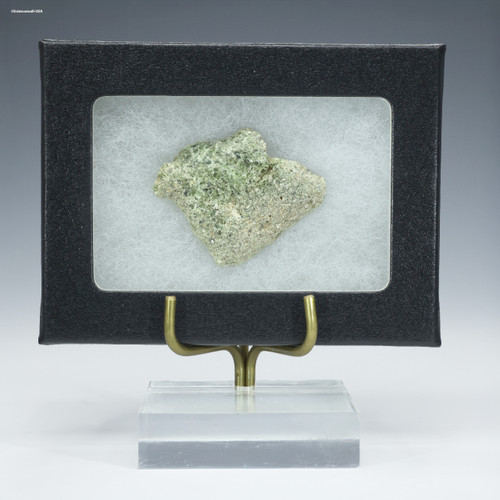
Trinitite Green Minor Black - Horseshoe Shaped - 3.5 grams
Brand : Jensan Scientifics LLC
- SKU:
- JPT-87748
- Condition:
- New
- Availability:
- Usually ships in 24 hours.
- Weight:
- 1.00 LBS
- Minimum Purchase:
- 1 unit
- Maximum Purchase:
- 1 unit
- Shipping:
- Calculated at Checkout

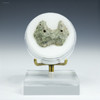
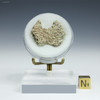

Trinitite green black - 3.5 grams, rare horseshoe-shaped, holes
At 5× magnification, this trinitite reveals a highly heterogeneous mixture of translucent olive-green glass, incompletely melted desert sediment, and embedded particles created during rapid melting and quenching. This trinitite is best described as mottled light and dark green, with melted black and a few unusual round white shapes with red shattered particles at the center. There are also potentially a few metal flakes.
What this Trinitite Macro Reveals
The upper portion is dominated by translucent olive-green glass, occurring in irregular lobes and flow-like patches. Its cloudy, finely pitted texture suggests rapid melting and quenching, with numerous microscopic bubbles, embedded particles, and unevenly mixed material. The glass is not homogeneous; lighter and darker green zones indicate variations in thickness and composition.
Trinitite Diversity of Colors
This trinitite nuclear glass, also known as Trinity atomic glass or Alamogordo Glass, is a remnant from the historic Trinity atomic bomb test, conducted on July 16, 1945, near Alamogordo, New Mexico. It is a significant piece of history from the world's first nuclear test.
There are different types of Trinitite, with green Trinitite being the most common. Black and red Trinitite contain iron from the bomb tower structure, and red Trinitite may include copper from the gadget or communication cables used during the test. Metallic flakes are rare, making this Trinitite an unusual specimen.
Trinitite Product Details
| Object Type | Authentic Trinitite atomic glass, horseshoe-shaped |
| Color | Green, black, with potential metallic flakes |
| Dimensions | 31 mm L x 25 mm W x 7 mm D |
| Weight | 3.5 grams |
| Collection Date | 1948, legally collected |
| Scientific Significance | Trinitite was formed by the intense heat from the explosion, fusing sand, copper, iron/steel, and indigenous minerals found at the test site. The steel tower and "Jumbo" canister contributed to the unique composition of some trinitite. |
| Distinctive Feature | 5× macro view reveals pale green trinitite glass with black fused inclusions, tiny metallic glints, irregular gas-bubble cavities, preserving chaotic features |
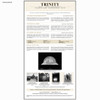
| What Is Included | Certificate of Authenticity, XRF Analysis, information about Trinitite, tag, and tag stand; Free Trinity Trinitite in-color poster - a Visual Guide to the Atomic Age; 8 1/2" X 17" that is rolled and sleeved, unlaminated; acrylic base and photo cube are not included |
| Authentication and Compliance | All of our Trinitite was tested and verified as authentic. We comply with NRC Nuclear Regulatory Commission rules (Section 13, part 40) and Postal Service regulations (49 CFR 173.421). |
| Use and Display | Great for any geological collection that includes rare atomic glass. |
| Shipping | Shipping calculated at checkout |
| U.S. Shipping | Free Priority Shipping within the USA |
Professionally photographed with Canon Pro equipment, with controlled lighting for accuracy.
Rarity and Significance
Scientific Significance: ★★★★★
Market Availability: ★★
Radiation Level: ★
Display Appeal: ★★★★★
Great Specimen for Atomic Collectibles
This scientific material is Guaranteed Authentic. It was professionally and legally collected and arrives with a Certificate of Authenticity, tag, tag stand, information, and XRF. Free Trinity Trinitite poster included.
Questions Commonly Asked About Trinitite
What is Trinitite?
This trinitite nuclear glass, also known as Trinity atomic glass or Alamogordo Glass, is a remnant from the historic Trinity atomic bomb test, conducted on July 16, 1945, near Alamogordo, New Mexico. It is a significant piece of history from the world's first nuclear test.
What are the different types of Trinitite?
There are different types of Trinitite, with green Trinitite being the most common. Black and red Trinitite contain iron from the bomb tower structure, and red Trinitite may include copper from the gadget or communication cables used during the test. Metallic flakes are rare, making this Trinitite an unusual specimen.
How was Trinitite formed?
Trinitite was formed by the intense heat from the explosion, fusing sand, copper, iron/steel, and indigenous minerals found at the test site. The steel tower and "Jumbo" canister contributed to the unique composition of this remarkable atomic glass material.
Is this Trinitite authentic?
All of our Trinitite has been tested and verified as authentic. We comply with NRC Nuclear Regulatory Commission rules (Section 13, Part 40) and Postal Service regulations (49 CFR 173.421). Our sales and shipments comply with all U.S. Federal regulations governing Trinitite.
This 3.5-gram Trinitite specimen combines atomic history, verified authenticity, and an unusual visual character in a single compact display piece. It is a distinctive example of rare Trinity test glass for collectors of historic atomic materials.