
Pooks Pebble Impact Ejecta, Belize - 40.5g
Brand : Jensan Scientifics LLC
- SKU:
- JSP-71928
- Availability:
- Usually ships in 24 hours.
- Weight:
- 1.00 LBS
- Minimum Purchase:
- 1 unit
- Maximum Purchase:
- 1 unit
- Shipping:
- Calculated at Checkout

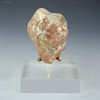


Pook's Pebble Chicxulub K-Pg boundary impact ejecta from Belize
This very rare naturally polished carbonate ejecta represents material associated with the Chicxulub asteroid impact crater at the Cretaceous-Paleogene extinction event, at ~66 Ma.
This specimen belongs to the scientifically published class of Chicxulub ejecta known as Pook's Pebbles, a distinctive carbonate impact material studied for its polish, striations, pitting, ablation-like surface modification, and high-energy ejecta history.
This is one of the most important proximal K-Pg boundary ejecta deposits known from the Caribbean region because it is the closest known K-Pg site to the Chicxulub, Yucatan, Mexico asteroid impact crater - on land.
Pook's Pebble Chicxulub Impact Ejecta - Rarely Offered Specimen
Pook's Pebbles are not ordinary, rounded stones. These unusual, rare, and distinctive impact materials occur within the Pook's Hill Lodge, Cayo District, Belize.
The Chicxulub impact launched target-rock debris into the atmosphere and spread ejecta across the region. Pook's Pebbles are interpreted as high-energy ballistic ejecta, with impact models indicating that some of this material may have traveled along trajectories reaching roughly 100 km altitude before falling back to Earth. That history gives these small carbonate objects an extraordinary place in the physical record of the Chicxulub impact-dinosaur extinction event on the Yucatan Peninsula, Mexico.
Pook's Pebble Geological Significance
Published studies describe Pook's Pebbles as polished, striated, pitted, and locally recrystallized carbonate ejecta. These surface features are not merely cosmetic. The polish, lineations, pitting, gouge-like marks, and ablation-like textures visible on Pook's Pebbles are part of what makes them scientifically recognizable. They record violent transport, particle interaction, heating, abrasion, and impact-related modification during or shortly after the Chicxulub event.
For impact collectors, K-Pg boundary enthusiasts, natural history museums, dinosaur-extinction collectors, and serious impactite specialists, Pook's Pebbles occupy a special niche. They are directly tied to one of the most consequential geological events in Earth's history, yet they remain very rare on the collector's market compared with more familiar impact materials such as tektites, shatter cones, or common impact breccias.
| Object Type | Pook's Pebble, Chicxulub ballistic carbonate ejecta, scientist-sourced material |
| Specimen Details | Specimen size: 43 mm L x 31 mm W x 26 mm D Displayed assembly weight: 40.5 grams |
| Locality | The Cayo Diamictite, Cayo District, central Belize |
| Geological Age | Cretaceous-Paleogene boundary, approximately 66 Ma |
| Scientific Significance | Named and published class of Chicxulub ejecta associated with polished, striated, pitted, and ablation-modified carbonate material |
| Display | Looks terrific on a display stand with the description tag |
| Included With Purchase | Pook's Pebble impact ejecta specimen, Certificate of Authenticity, Specimen tag, Informational sheet on K-Pg Material; Note: photo cube and display stand not included |
| Shipping | Shipping calculated at checkout |
| U.S. Shipping | Free Priority Shipping within the USA |
Images professionally photographed under controlled studio lighting using Zeiss optics and a pro-grade Canon camera.
Add this very rare Pook's Pebble Chicxulub impact ejecta specimen to your collection as a compact, display-ready record of the K-Pg boundary event that reshaped life on Earth. This is the largest one we have! Limited inventory.
Questions Commonly Asked
Why are Pook's Pebbles important to Chicxulub impact studies?
Pook's Pebbles preserve physical evidence of high-energy transport, surface modification, abrasion, pitting, and impact-related heating within the Chicxulub ejecta system. They help document how carbonate target rocks behaved during one of the largest and most biologically consequential impacts in Earth's history.
Is this the same as ordinary K-Pg boundary clay?
No. Many K-Pg boundary samples are fine clay-rich layers or thin iridium-bearing horizons. Pook's Pebbles are much coarser ballistic carbonate ejecta materials associated with the proximal Chicxulub ejecta deposits of Belize, making them very different from typical distant K-Pg boundary clay specimens.
Why do the polish, striations, and pitting matter?
These surface textures are part of Pook's Pebbles' scientific identity. Published work describes polished surfaces, striation marks, pitting, gouge-like indentations, and ablation-like textures as features related to high-energy impact ejecta transport and surface modification.
Who would value this specimen most?
This specimen is especially relevant to impactite collectors, K-Pg boundary specialists, dinosaur-extinction enthusiasts, natural history museums, educational collections, and collectors seeking rare material directly connected to the Chicxulub impact event.
A Pook's Pebble is more than a naturally polished stone from Belize. It is a physical remnant of the Chicxulub impact event, preserved from the K-Pg boundary asteroid impact that marked the end of the non-avian dinosaurs and ushered in the modern era of life on Earth.


