
Trinitite Green Black Atomic Glass - 2.6 g
Brand : Jensan Scientifics LLC
- SKU:
- JPT-18892
- Condition:
- New
- Availability:
- Usually ships in 24 hours.
- Weight:
- 1.00 LBS
- Minimum Purchase:
- 1 unit
- Maximum Purchase:
- 1 unit
- Shipping:
- Calculated at Checkout


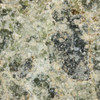

Green, Black Trinitite atomic glass - 2.6 g
This authentic 2.6-gram Trinitite fragment preserves olive-green atomic glass and darker black granular areas created by the Trinity nuclear test. Legally collected in 1948, this specimen includes XRF verification, a Certificate of Authenticity, information, a tag, a tag stand, and a round display disc.
Trinitite is the fused desert glass created during the first atomic detonation at the Trinity site in New Mexico on July 16, 1945. This green-with-black makes a terrific specimen.
Trinitite Multi-colored Geological Significance
This Trinitite specimen is among the most historically significant human-made glasses on Earth. Formed when desert sand, tower material, and test-site debris were exposed to the extreme heat of the Trinity detonation, Trinitite records the transition from World War II weapons research into the Atomic Age.
The green color reflects the fused silica-rich desert sand matrix, while the darker black areas are consistent with the materials from the test-site structures. This piece was legally collected in 1948 and is accompanied by XRF.
Trinitite Magnified - Description
Under a similar specimen at 5× magnification, the surface reveals considerable complexity. Dark metallic inclusions — likely iron or steel fragments from the tower hardware that supported the "Gadget" device — are distributed throughout the glassy matrix. A few white mineral fragments and partially fused quartz grains are typically seen.
Product Details
| Object Type | Authentic green with black Trinitite atomic glass, potential metal |
| Locality | Trinity site region, New Mexico, USA |
| Dimensions | 22 mm × 16 mm × 7 mm |
| Weight | 2.6 grams |
| Specimen Description | Green and black Trinitite with mottled green glass, darker granular areas, and lighter sections of fused white minerals, maybe metallic flakes |
| Scientific Significance | Atomic-age fused glass formed during the Trinity nuclear test on July 16, 1945; a historically important material documenting high-temperature fusion of desert sand and test-site debris. |
| What Is Included |
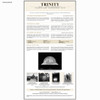
Round display disc with specimen, information, tag, tag stand, Certificate of Authenticity, and XRF; Acrylic base and photo cube are not included; Free: The Visual Guide Trinity and Trinitite poster included! 8.5" W X 17" L, two-sided, unlaminated, rolled, sleeved |
| Use & Display | Suitable for adult collectors, geology displays, Cold War history collections, educational reference, and atomic-age material culture collections; not intended for jewelry, inhalation, ingestion, or handling by children |
| Authentication & Compliance | Legally collected in 1948. Includes XRF verification and Certificate of Authenticity. This material is handled and shipped as a low-level radioactive collectible in accordance with applicable U.S. requirements. |
| Shipping | Shipping calculated at checkout |
| U.S. Shipping | Free Priority Shipping within the USA |
Images professionally photographed under controlled studio lighting using Zeiss optics and a pro-grade Canon camera.
Rarity and Significance
| Scientific Significance | ★★★★★ |
| Market Availability | ★★ |
| Radiation Level | ★ |
| Display Appeal | ★★★★★ |
What sets this specimen apart is the combination of green atomic glass, darker black granular areas, and embedded white fragments, potentially some metallic flakes. Rather than appearing as a simple green glass fragment, this Trinitite preserves multiple visual signatures of the Trinity detonation environment in one compact, documented specimen.
Questions Commonly Asked About Green Black Trinitite
What makes green black Trinitite different from ordinary green Trinitite?
Green Trinitite is the most familiar form, but black areas and metallic inclusions point to more complex melt chemistry and the incorporation of non-sand material during formation. This gives the piece greater visual and interpretive value for collectors who want more than a simple green glass fragment.
Is Trinitite natural or human-made?
Trinitite is human-made, but it is also a genuine geological glass formed by extreme heat, rapid melting, and rapid cooling. It occupies a rare boundary between geology, military history, materials science, and atomic-age collecting.
Why are metallic inclusions important in Trinitite?
Metallic inclusions help tell the story of formation. In black or metal-bearing Trinitite, metal-rich particles may reflect the presence of tower hardware or other test-site materials incorporated into the molten glass during detonation.
How should Trinitite be handled and displayed?
Keep Trinitite enclosed in its display container when possible, avoid inhaling or ingesting dust or particles, and wash your hands after direct handling. It should be treated as an adult scientific collectible, not as jewelry or a toy.
This documented green-and-black Trinitite atomic glass offers a compact but unusually expressive example of Trinity test material. Its potential metallic inclusions, mottled coloration, and XRF-supported documentation make it a strong addition to a serious atomic history or geology collection, or as a rare scientific collectible.
