
Wind-Sculpted Sandstone - Deep Pits, McMurdo, Antarctica - 143 g
Brand : Sciencemall-USA
- SKU:
- JPT-89868
- Availability:
- Usually ships in 24 hours.
- Weight:
- 1.00 LBS
- Minimum Purchase:
- 1 unit
- Maximum Purchase:
- 1 unit
- Gift wrapping:
- Options available
- Shipping:
- Calculated at Checkout


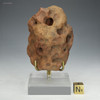


Buy Antarctic sandstone from the McMurdo region, a wind-sculpted polar rock
This 143-gram sandstone specimen from Antarctica preserves the visual character of a cold, arid southern landscape, where wind abrasion, exposure, and the harsh polar environment relentlessly shaped it. Its dense feel, natural surface texture, and Antarctic origin make it a distinctive addition for collectors of rare rock, Antarctic exploration history, and uncommon geological material.
Specimen's Geological Context & Significance
This Antarctic sandstone originates from the McMurdo region, an area long recognized for its stark polar geology, exposed rock surfaces, and desert-like conditions despite the surrounding ice. In settings like this, sandstone can develop a notably sculpted appearance through persistent wind abrasion, freeze-thaw cycles, and prolonged exposure in an exceptionally dry, extreme-cold environment.
Unlike many common sandstones from temperate settings, material from Antarctica carries a different collecting context. It reflects not only sedimentary processes, but also the severe environmental overprint of the polar continent itself. That combination gives this specimen value beyond its rock type alone: it represents a tangible fragment of one of the least accessible and most visually extreme geological regions on Earth.
| Object Type | Dense sandstone specimen |
| Locality | McMurdo region, Antarctica |
| Dimensions | 70 mm x 51 mm x 38 mm |
| Weight | 143 grams |
| Specimen Description | Dense sandstone with natural wind-sculpted character and surface texture consistent with prolonged exposure in the harsh Antarctic environment |
| Scientific Significance | Represents sedimentary rock from Earth's coldest and most remote desert environments |
| What Is Included | Certificate of Authenticity, specimen information, specimen tag, and display stand |
| Use & Display | Private collection, educational display, polar geology study, or gift for rock and Earth science enthusiasts |
| Authentication & Compliance | Guaranteed authentic geological material from Antarctica; Legally Collected circa 1970s, prior to Protocol |
| Shipping | Free Priority Shipping within the USA. International shipping is calculated at checkout. |
Why Collectors Value this Specimen: Antarctic rock is in a category of its own. Even when the material itself is sedimentary, the collecting context changes everything. This specimen carries the visual imprint of a relentless wind-worked, icy polar desert and the rarity tied to one of the most remote landscapes on Earth. For the collector, it is not merely sandstone; it is a fragment of polar geological history.
Questions Commonly Asked About Antarctic Sandstone
Why do we find sandstone in Antarctica?
Antarctica was not always locked beneath permanent ice. In the McMurdo and Transantarctic Mountains region, exposed rock layers preserve evidence of an older sedimentary past, when sand and other materials accumulated in environments very different from the polar conditions seen today. Over long spans of geologic time, those sediments hardened into sandstone, preserving part of Antarctica's ancient history before the full development of its modern ice cover.
What does "wind-sculpted" mean?
It refers to the natural shaping and textural modification of exposed rock surfaces through persistent wind-driven abrasion over time. In polar desert environments, that process can create striking surface character and softened natural contours. Antarctica stands apart from all other continents — a silent desert of ice and stone, immense in loneliness, severe in climate, and unforgiving in its grandeur. Its rocks bear the unmistakable imprint of this brutal, polar environment.
Why is Antarctica considered the driest desert on Earth?
Antarctica qualifies as a desert not because it lacks ice, but because most of the continent receives very little precipitation. Its intensely cold air contains little moisture, which keeps snowfall low across large areas. In some places, strong winds and persistent cold further reduce surface snow, contributing to the stark dryness that defines much of the Antarctic environment.