Anthracite Coal -Dirty Diamond Mine - Antarctica, Large
Brand : Sciencemall-USA
- SKU:
- JPT-22148
- Condition:
- New
- Availability:
- Usually ships in 24 hours.
- Weight:
- 1.00 LBS
- Minimum Purchase:
- 1 unit
- Maximum Purchase:
- 1 unit
- Shipping:
- Calculated at Checkout

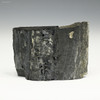
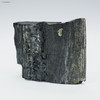

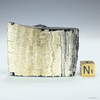
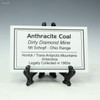
This authentic anthracite coal specimen from Antarctica preserves direct geological evidence that the southern polar region once supported dense forests under a far warmer global climate.
Geological Context & Significance
Anthracite coal from Antarctica records a period in Earth's deep past when the continent occupied lower latitudes and supported extensive vegetation. Accumulated plant material was buried, compacted, and later metamorphosed under heat and pressure, producing dense, high-carbon anthracite.
The presence of coal on Earth's southernmost continent provides physical evidence for major climatic transitions, including prolonged greenhouse intervals long before the development of modern Antarctic ice sheets. Specimens such as this are used to illustrate paleoclimate change, continental drift, and the long-term evolution of Earth's surface environments.
Historical & Expedition Context
Discover the wonders of Antarctic geology with this historically significant rock specimen from Antarctica. Long known as the coldest, windiest, and driest continent on Earth, Antarctica has captivated explorers, scientists, and geologists for generations.
In 1962, a team of geologists traveled to Antarctica to investigate coal-bearing strata, conducting fieldwork at Terrace Ridge near Mount Schopf. The mountain was named in honor of James Morton Schopf, a paleobotanist, palynologist, and coal geologist whose research advanced scientific understanding of ancient plant life and coal formation.
Mount Schopf lies within the Ohio Range near Discovery Ridge and forms part of the Transantarctic Mountains. The Ohio Range represents the northeastern extent of the Horlick Mountains. Coal recovered from what became informally known as the Dirty Diamond Mine played an important role in scientific studies during the 1960s, particularly those examining coal grade and the theoretical economic potential of Antarctic mineral resources.
Today, Antarctic mineral resources are strictly protected. The Protocol on Environmental Protection to the Antarctic Treaty (Madrid Protocol), which entered into force in 1998, prohibits all mineral resource extraction except for scientific research. This specimen originates from an old estate collection and was collected during sanctioned geological investigations in the 1960s, prior to modern environmental protections.
Product Information
| Object Type | Anthracite coal (metamorphosed fossil plant material) |
| Locality | Antarctica |
| Provenance | Scientist-sourced from the 1960s, legally collected before the Antarctic Protocol, 1998 |
| Dimensions & Condition | 54 mm high × 40 mm wide × 20 mm deep; all-natural specimen; no repairs; stable condition, Weight: 59 grams |
| Scientific Significance | Direct physical evidence of ancient polar forests and long-term global climate change |
| What Is Included | Certification of Authenticity; detailed information card covering the Dirty Diamond Mine and Carboniferous-age context; specimen tag with tag stand; protective storage case; complimentary Free Geology Poster from ScienceMall-USA |
| Use & Display | Educational reference, Reference specimen for paleoclimate research, continental drift, Antarctica geology, early Antarctic field research |
| Shipping | Free Priority Shipping within the USA; International shipping calculated at checkout |
Questions Commonly Asked About Antarctic Coal
How can coal occur in Antarctica?
Antarctic coal formed when the continent supported forests in a much warmer climate before continental drift and long-term cooling transformed it into today's polar environment. Before Antarctica became the frozen continent we know today, it was a living landscape. For hundreds of millions of years, it supported forests, rivers, amphibians, reptiles, early mammals, and rich marine life, forming complete ecosystems despite long polar nights. Coal such as this formed during the late Paleozoic, around 300 million years ago, when dense forests thrived on the continent. Much later, dinosaurs would roam Antarctica, which remained temperate and ice-free.
What happened 34 million years ago to change Antarctica?
That world ended about 34 million years ago, when declining atmospheric carbon dioxide levels and Antarctica's isolation by newly formed ocean currents triggered rapid cooling. Once permanent ice sheets formed, a powerful feedback loop locked the continent into a glacial state, covering forests and terrestrial ecosystems and transforming Antarctica into the polar environment seen today.
Is this coal used as fuel?
No. This specimen is reserved strictly for scientific and educational purposes.
What Sets This Specimen Apart: Coal from Antarctica preserves direct physical evidence that Earth's polar regions were once warm, forested landscapes. This Antarctic coal captures that glacial transition in an interesting, relatable way, making it a great specimen for study, teaching, and long-term geological reference.